Posts

Discovery Channel Gardening

Image
I have lost count of the number of times I have screamed out in my own garden then shamefully looked around to make sure the neighbor didn’t see me.  Everything from jumping toads to huge locus and of course the occasional snake have all made me instantly cold sweat in fear. You would think that after years of gardening, I’d have grown accustomed to the creepy crawlers; no, that’s not the case with me. Here is a look of some of the cool and creepy crawlers spotted in my backyard. THE TOMATO HORNWORM Tobacco and tomato hornworms are common, large caterpillars that defoliate tomato plants. Their large size allows them to strip a plant of foliage in a short period of time, up to 90% of foliage, so they frequently catch gardeners by surprise. What I saw was a hornworm parasitized by what seems like wasp eggs! I gently removed the eggs and placed the worm safely in the bushes. I hope he survived! Then there was the time I saw a worm wiggle out of a cocoon made wit...
4 Steps to Create and Maintain Your Compost

Image
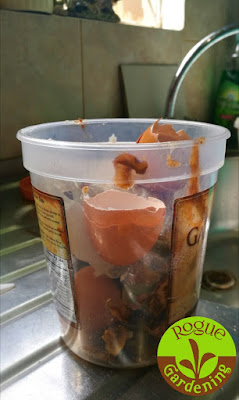
It’s a great feeling being able to convert your trash into the usable and nutritious soil for close to nothing! In my last blog, Stop, Drop and Compost!  I talked about what materials are good for composting and what should be avoided. Today I want to share some DIY tips for creating an indoor compost and outdoor composting heap. It does not matter what size of garden you are working with or even if you are indoors, re-purposing your waste by composting is possible!   In my view, container composting is so much more convenient as you have the ability to relocate your compost should the need arise.  FOUR STEPS TO CREATE AND MAINTAIN YOUR CONTAINER COMPOST Step 1: Recycle or buy a plastic bin at least 24 inches tall with a tight-fitting lid (will keep the scent in, keep the soil moist and keep critters out). Step 2: Use a drill or knife to make 8 – 10 small holes in the bottom of the container as well as in the lid for drainage and aeration purpo...

Harvesting Your Herbs

Image
So you have put in all the work to ensure your herbs grow healthy and strong and now it's time to harvest! Apart from watching the magic of seeing your crops grow and develop, my favorite part is harvesting them. The harvest period for herbs will vary from plant to plant but here is a tip, for most herbs, try not to harvest more than one-third of the entire aerial growth at the same time.  You want to make sure that there is enough healthy green foliage so that it can continue to grow after you harvest. WHEN TO HARVEST  Here are some of the most commonly grown herbs and their corresponding ages or times of year to begin harvesting: Basil – Once the plant reaches 6 – 8” in height. Chives – As soon as the leaves are thick enough to use. Cilantro – Once stems are 6 – 12” long. Lavender – Harvest at any time once stems have flowered. Oregano – Sprigs may be harvested once the plant reaches 3 – 4” tall.   Parsley – Anytime after mature lea...

Stop, Drop and Compost!

Image
I have become obsessed with composting. So much so, when I visit my mom I leave with her ‘garbage’ and I always complain if I found out that she threw away something that could have been composted. Composting is easy and there are several reasons why you should start your own compost today.  THE BENEFITS OF COMPOSTING  Whether you are an indoor or outdoor gardener, everyone has room for composting especially as composting can divert as much as 30% of household waste away from the garbage can (fewer trips to the garbage!). Composting offers a natural alternative to chemical fertilizers, s oil conditioners and bagged manure- saving you money! Compost enriches soil health, plants grown in healthy soil look better, produce better and have a much greater ability to fight off pests and diseases.  Compost also builds soil structure; improves drainage; creates more water-holding ability. Feeding your plants well will improve your own diet as plants grown in deple...

A True Trini Herb Garden

Image
Wouldn’t you love to just walk outside or lean over to your kitchen window for some fresh herbs and seasonings? I know I’d love to. When Trinis think of kitchen gardening a few must-have crops come to mind; chive, thyme, and "shado beni".  Adding fresh herbs from your garden to your dishes is a great way to pump up the flavor in any recipe or make some good old Trini seasoning, just add vinegar. Herbs are some of the easiest plants you can grow both inside and outside in either pots, pans or in the ground. Here are some must-have herbs for a flavourful Trini Herb Garden!   Chives - Planting chives indoor is easy. Be sure to provide with lots of sun and humidity for a healthy crop, preferably near an open window.  Chadon Beni- Commonly known as culantro or bhandhania, it's one of my faves! It is easy very to grow, they love moist but well-drained soil, though they can grow in many soil conditions. Dill - Growing dill indoors is pretty easy and it grows fast!...

Ladybugs. Pretty to Look at, Beneficial to Keep in Your Garden!

Image
Whether watering my garden or doing maintenance I would always run into the cutest little ladybugs. While this isn’t surprising as Ladybugs reside where insect pest populations are high such as in crop fields, and gardens. There are nearly 5000 species of ladybugs worldwide. They come in all different colors; yellow, orange, grey, black, brown and even pink. I have been lucky enough to spot a couple colors in my backyard and even witnessed some ladybugs mating in full action!  One common myth is that the number of spots on the insect’s back indicates its age, this simply is not true. The major benefit of having and keeping ladybugs around lies in the fact that they are nature’s own ‘pest’ controllers and are more effective than using poisonous chemicals. Ladybugs are extremely beneficial to gardeners and their gardens as the adults and larvae will prey on aphids, spider mites and mealy bugs that feed on plants. The ladybug feeds on these pests as the adul...

Beauty of the Butterflies

Image
A backyard photo-shoot with this beauty!  One of my fondest childhood memories was catching a butterfly in a clear plastic bag. I remember watching this orange and black insect closely as it fluttered around gracefully in captivity, I admired it. (...don't ask what happened to that butterfly...) For those of you who don’t know, my Rogue Gardening journey began simply because I wanted to be able to look out my kitchen window and see butterflies, free in all their glory. However, all I knew then was that I needed flowers. Over the years I have learned that attracting a swarm of butterflies requires preparation. You must be able to provide their needs through all the life stages of the butterfly from laying eggs to feeding caterpillars (larvae), and protecting them from predators until they form chrysalides. Attracting Butterflies 1. Plant the right flowers - Butterflies are more attracted to certain flowers such as Asters, Zinnias, Marigolds, Oregano, Laven...